Spring: ready for melting snow and spring rains
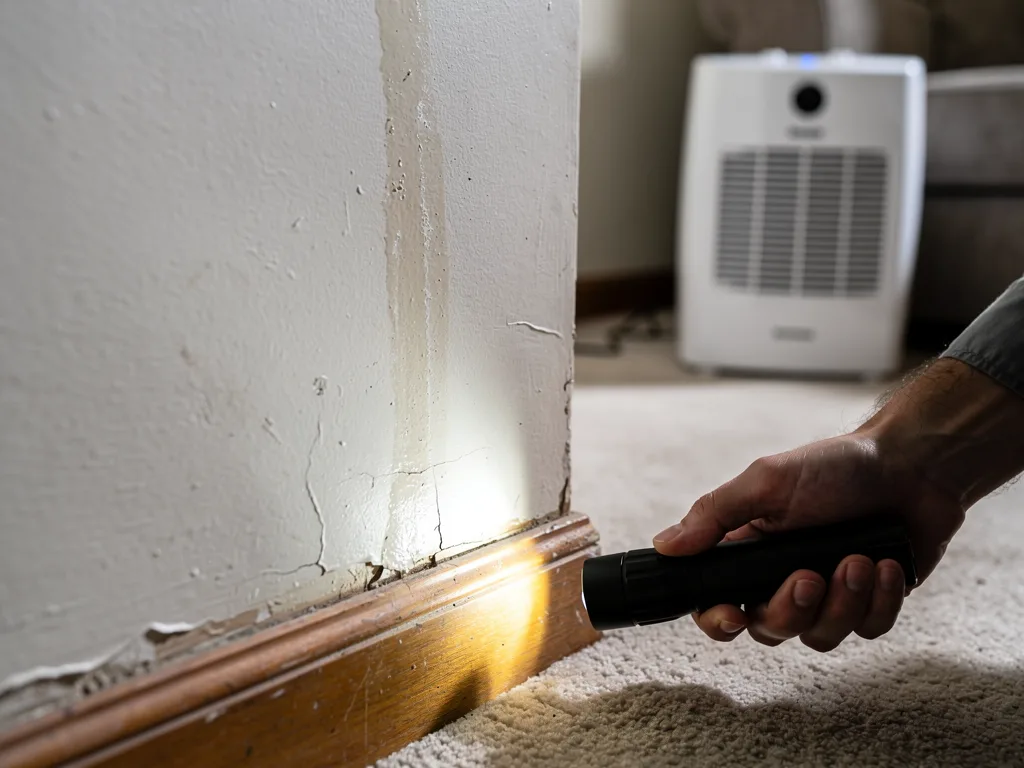
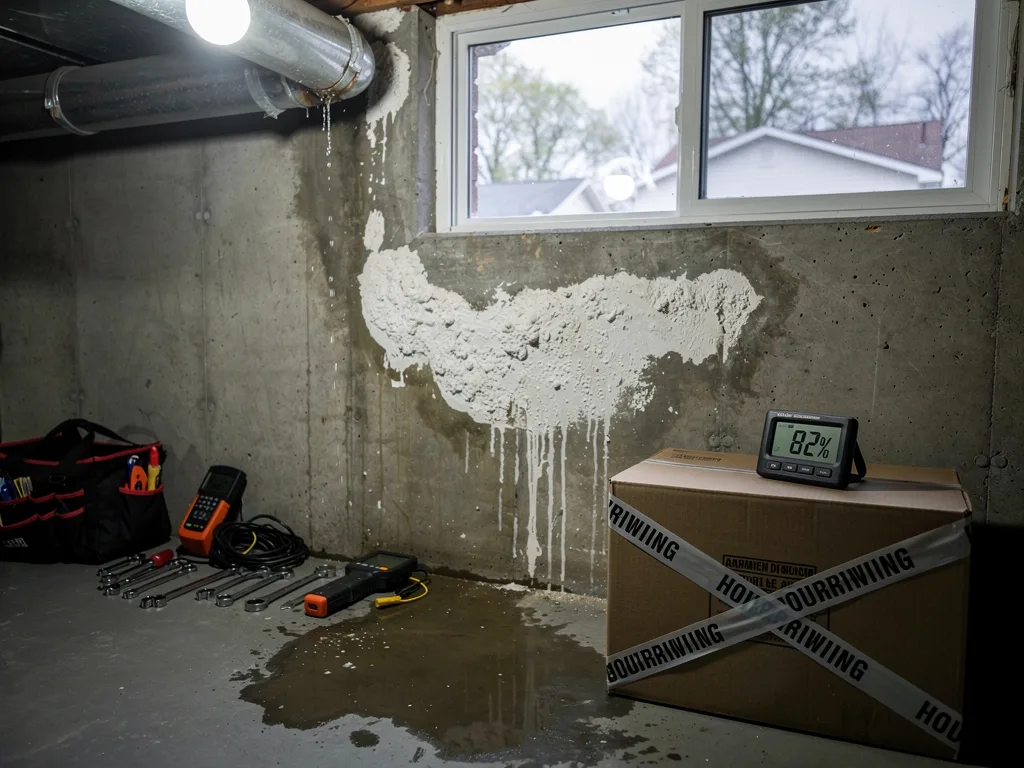
Spring brings variable conditions across Illinois, with thaw cycles and heavier rain. Start with gutters and drainage. Clear debris so water flows away from the foundation. Inspect the roof for any loose flashing or damaged seams. In basements and crawl spaces, check for dampness as ground moisture shifts with thawing. A restoration specialist can help set up a moisture-monitoring plan to catch creeping damp before it becomes a problem.
Open windows when humidity is low to ventilate, but keep an eye on upstairs humidity after a heavy rain. If you notice any musty odor or damp patches after storms, call a restoration specialist for an assessment. Early attention helps protect insulation and structural elements across Illinois homes.
Summer: manage humidity and internal moisture
Hot, humid days can drive moisture into walls and attics. Use exhaust fans in kitchens and bathrooms and maintain a comfortable indoor humidity level, ideally around 30 to 50 percent. If you rely on air conditioning, keep condensate drains clear and listen for unusual running or dripping sounds that could signal a problem. A routine check by a restoration specialist helps ensure there aren’t hidden pockets of moisture behind walls or under flooring.
In Illinois, summer storms may bring localized flooding or roof leaks. Have a plan for quick containment and a follow-up inspection to confirm materials stayed dry. A simple seasonal check can prevent complex restoration work later in the year.
Autumn and winter: guard against freezing and condensation
Cold months bring the risk of frozen pipes and condensation along windows and walls. Let cold air circulate under sinks and around plumbing fixtures where possible. Insulate pipes in colder areas of the home to minimize bursts. If you see condensation or ice damming on roofs after a storm, have a restoration specialist assess the potential for hidden moisture behind walls or in attic spaces.
Indoor air quality is a year-round concern. Keep humidity in the recommended range and schedule a routine check if you notice lingering odors or dampness. Illinois Water Restoration can help set up seasonal monitoring that protects your home across the state.
Practical tips to keep in mind
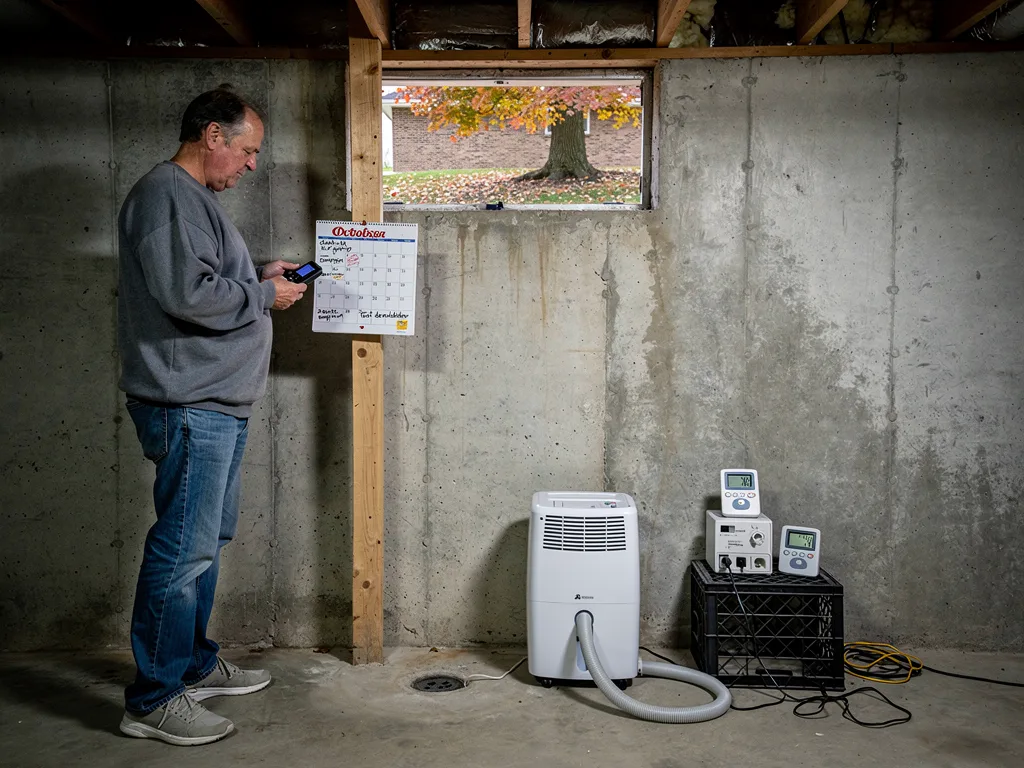
- Keep a simple moisture log for your home, noting weather events and any damp patches you observe.
- Inspect the crawl space or basement quarterly for signs of moisture or mold growth.
- Use a dehumidifier in humid months and ensure proper drainage away from the foundation.
Seasonal awareness is a practical, steady habit. Across Illinois, a proactive approach reduces risk and helps restoration specialists respond faster when needed.